

- Home
- Investors Centre
- Sustainability
- Talent
- News
- Insights
- TH!NK
- Corporate Governance
- Company Profile
- Board of Directors
- Community
- MCB Offices
Contact Info
Africa’s institutions face a Gen Z reckoning

A digital generation takes on ageing regimes
Tanzania, long regarded as one of East Africa’s more stable democracies, has in recent weeks become the scene of a brutal, youth-led uprising. The protests, triggered by the exclusion and arrest of key opposition leaders ahead of the October election, have been met with a deadly crackdown, with opposition groups claiming up to 700 people killed, while independent and UN-linked bodies report credible but lower casualty numbers. These events are the culmination of years of tightening state control and growing frustration, especially among younger citizens. They also reflect a generational shift across Africa, with more than 70% of the continent under the age of 30 and a median age of just 19.3. Youth are increasingly coming of age under governments led by leaders whose average age is over 64, many of whom have ruled for decades.
From Kenya to Morocco, Madagascar, Togo, Cameroon, and now Tanzania, Gen Z protesters have taken to the streets to challenge the political status quo. The triggers differ: tax hikes and corruption in Kenya, poor service delivery, economic grievances, and corruption in Madagascar, limited freedoms and deteriorating public services in Morocco, constitutional overreach in Togo, and suppression of opposition voices in Tanzania, but the underlying story is the same: disillusionment with unresponsive leadership and shrinking economic opportunity. Government responses have ranged from limited dialogue to violent crackdowns in Kenya and Morocco, where arrests and repression only deepened public anger. In some instances, such as Madagascar, the military’s sympathy for protesters even precipitated regime collapse.

From Nairobi to Dodoma, a youth wave rises
This generation’s activism is different. Gen Z is digitally fluent, globally aware, and deeply networked. Social media platforms like TikTok, X, and Facebook have become their town squares, tools of mobilisation that allow them to rally tens of thousands of supporters in hours, bypassing traditional political and media gatekeepers. These are not movements built around party structures but around shared experiences of economic hardship, inequality, and political exclusion. They are decentralised, fast-moving, and difficult for ageing leaderships to contain.
What makes this moment particularly combustible is that Africa’s youth are both politically marginalised and economically cornered. Job creation has not kept pace with population growth, inflation continues to erode living standards, and the sense of opportunity is narrowing. Without a credible path toward employment and prosperity, protest is becoming the default language of participation.
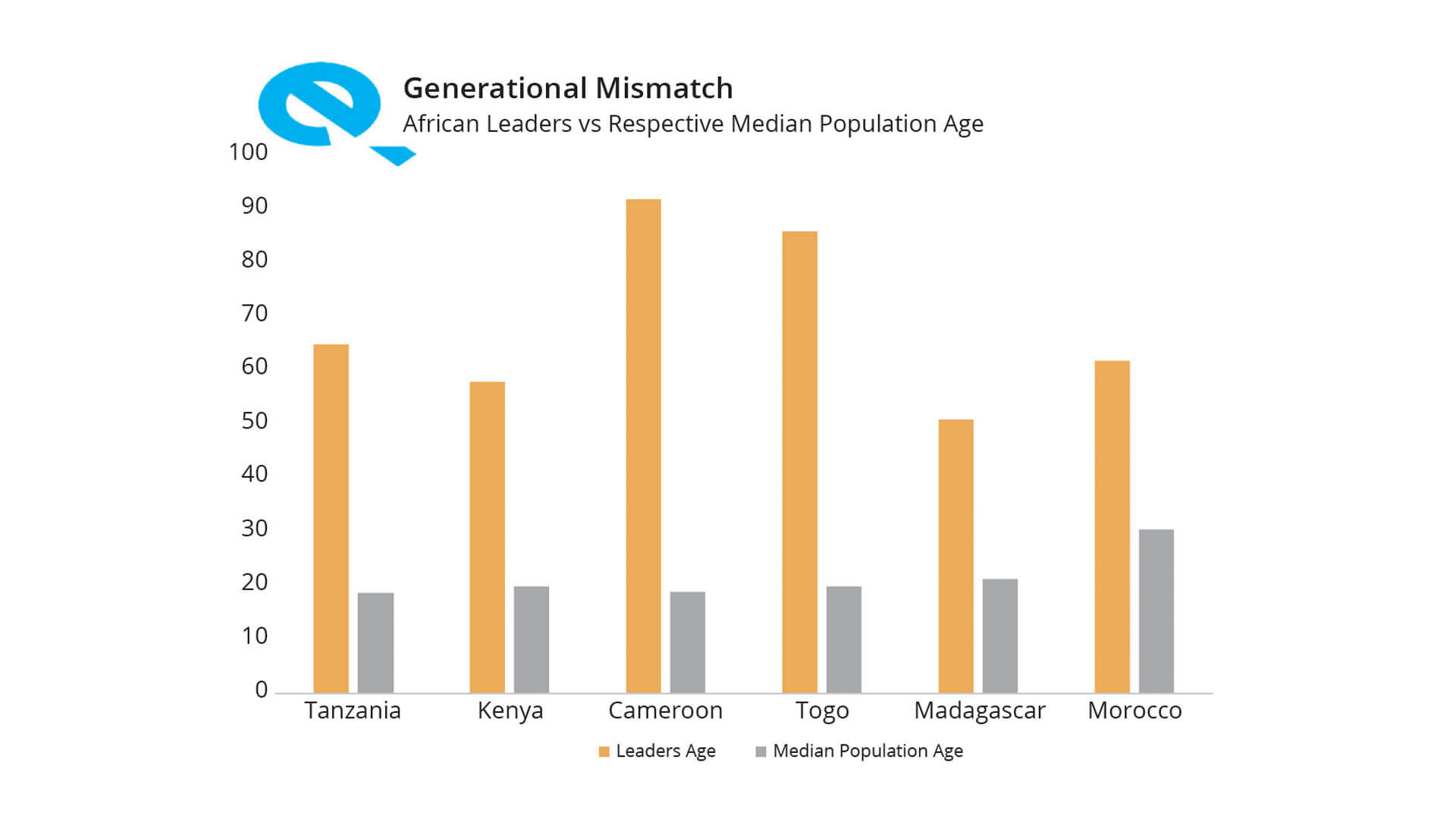
Old guards face a new calculus
Unless structural reforms and renewed hope linked to job creation and wealth expansion are delivered soon, these movements will persist. African leaders face a stark choice: to respond with repression, risking greater bloodshed and instability, or to recognise that prolonged tenure and resistance to renewal have alienated an entire generation. The international community also bears responsibility. As major powers compete for influence and access to Africa’s critical minerals, they possess leverage to encourage governance reform and economic inclusivity.
Gen Z is reshaping Africa’s political and social future, whether through ballots, digital campaigns, or direct action. The outcomes remain uncertain: further repression could entrench cycles of instability, while sustained exclusion risks radicalising a generation. Yet Africa’s youthful population is not only a source of volatility—it is also its greatest asset. With the world’s fastest-growing workforce, deep digital adoption, and a rising entrepreneurial class, the continent stands at the threshold of a demographic dividend. If governments prioritise political renewal, economic opportunity, and inclusive governance, the same forces driving today’s unrest can fuel tomorrow’s innovation and growth. Africa’s youth are demanding change. The question is whether institutions will adapt—and whether leaders, investors, and partners can recognise that within this generational reckoning lies a profound opportunity.
Published in collaboration with our Strategy, Research and Development team and our Financial Markets research partner, ETM Group.
For more information, please contact us on [email protected]


Recent Articles



TH!NK



Subscribe to our Email Alerts
Stay up-to-date with our latest releases delivered straight to your inbox.
Contact
Don't hesitate to contact us for additional info
Email alerts
Keep abreast of our financial updates.