

- Home
- About us
- Investors Centre
- Sustainability
- Talent
- News
- Insights
- TH!NK
- Board of Directors
- Community
- MCB Offices
Contact Info
Philbert Mbabazi: “Kim Le Court’s story shows where African cycling stands today”
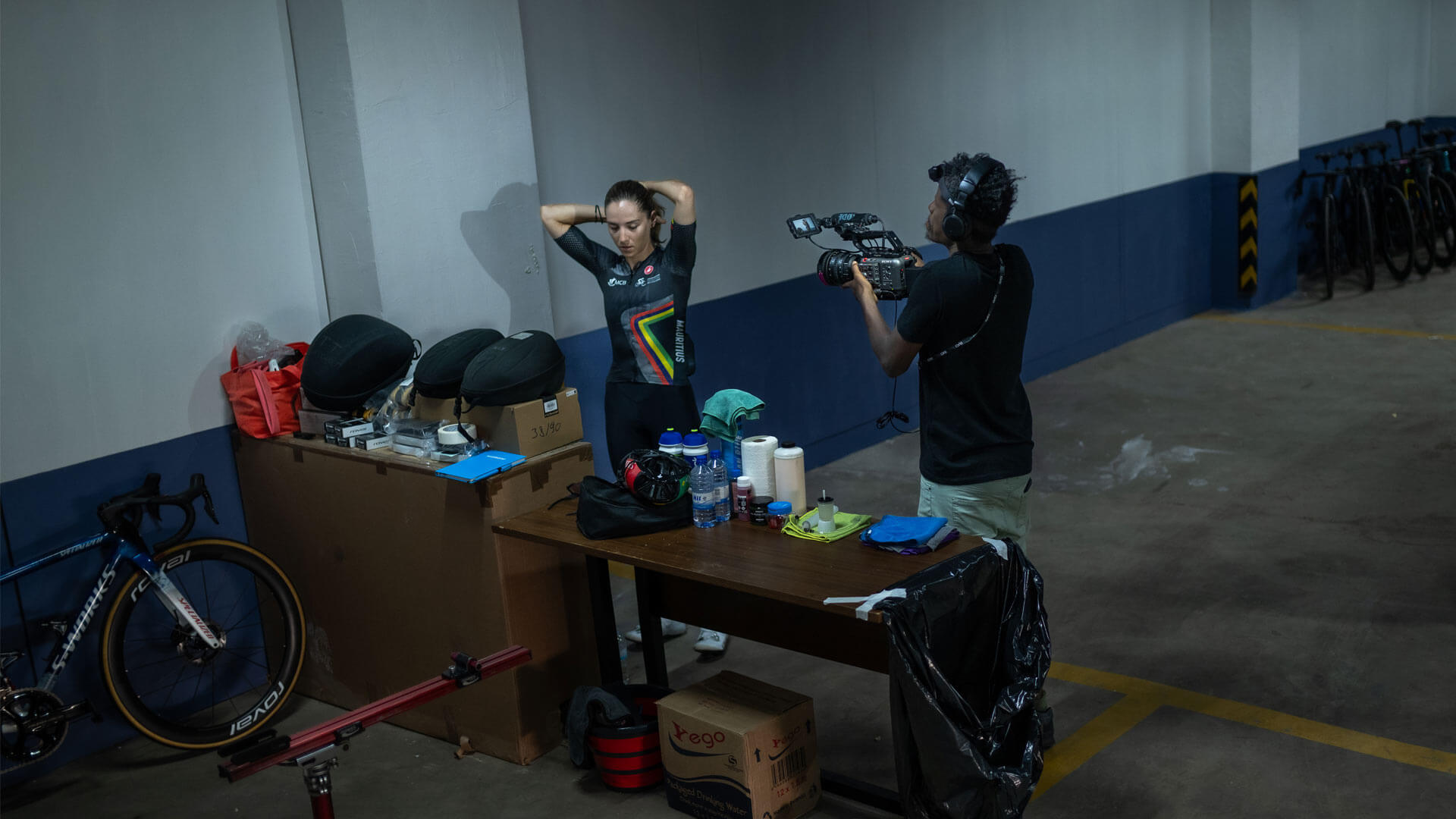
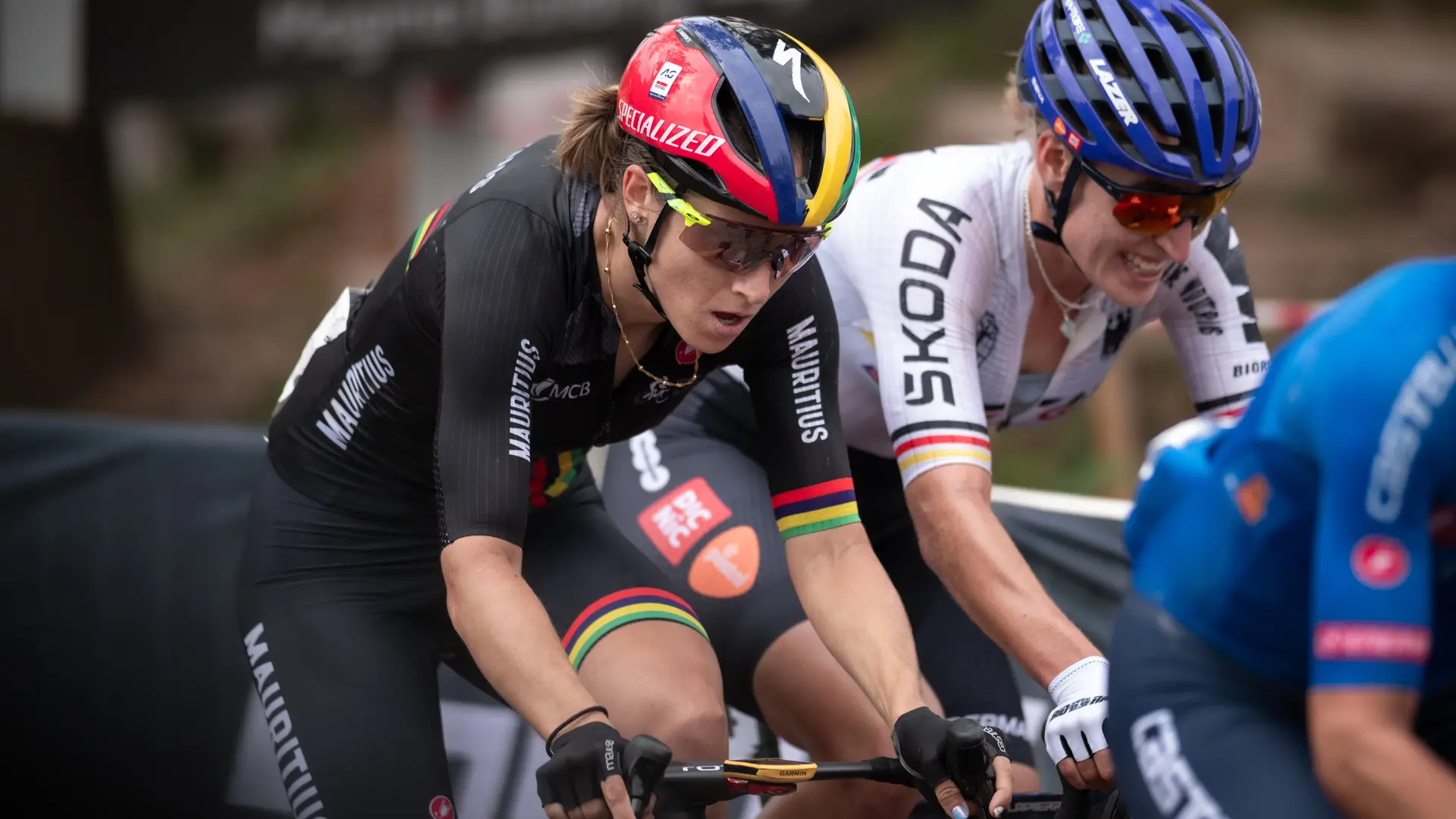
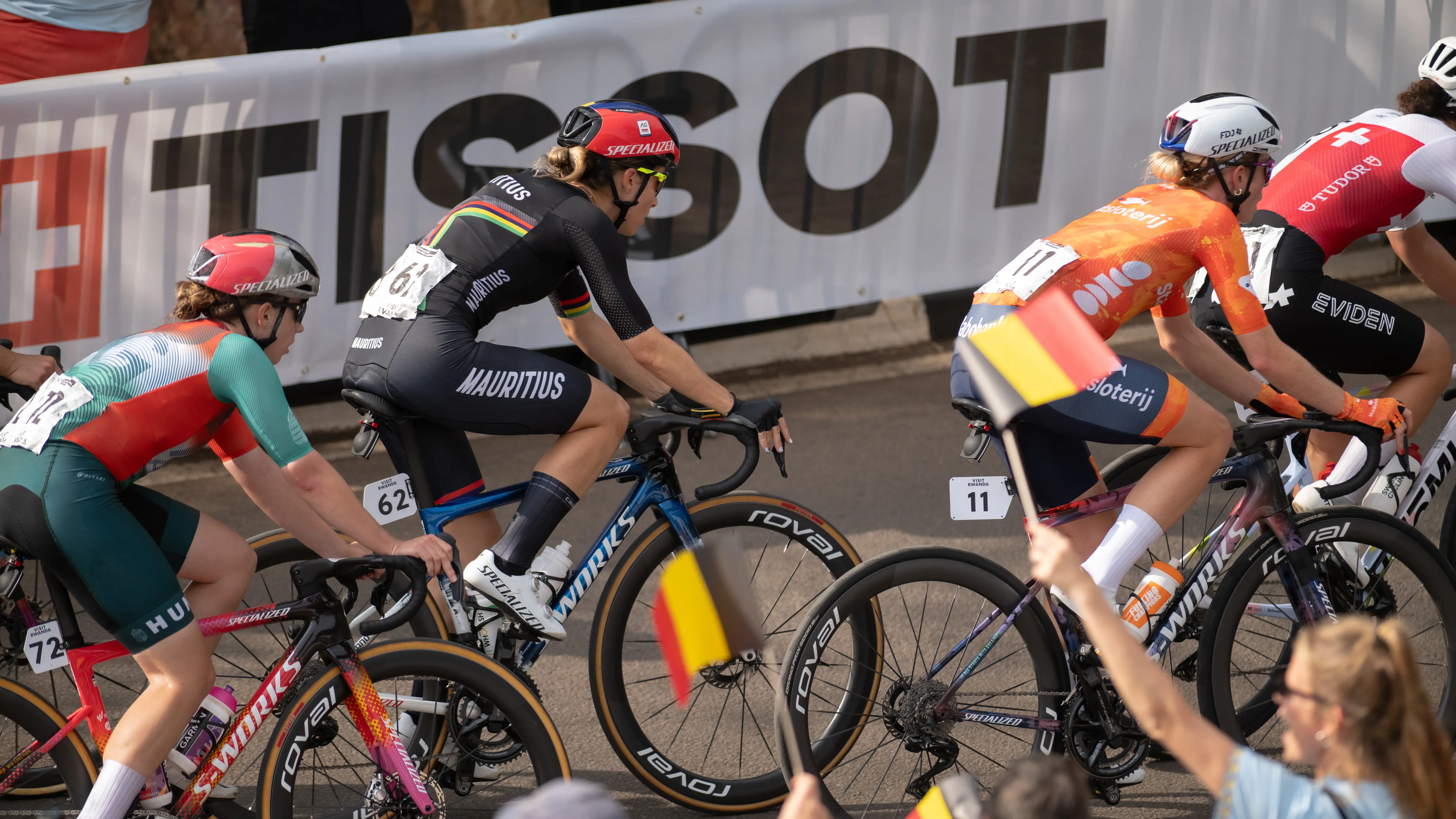
When the UCI Road World Championships were held in Kigali, Rwanda, for the first time, the significance went well beyond the race itself. On African soil, Kim Le Court delivered a Top 10 finish in the elite women’s event, a performance that reflected both personal excellence and the growing presence of African cycling on the world stage.
To document this moment from the inside, MCB partnered with Philbert Aimé Mbabazi, a Rwandan filmmaker based in Kigali. Trained in cinema in Europe and recognised on the international festival circuit, Mbabazi often explores themes of identity and resilience, with Rwanda frequently forming both the backdrop and the emotional core of his storytelling.
He followed Le Court throughout the Championships, capturing not only the race, but the preparation, pressure and atmosphere surrounding a major international event taking place in Africa.
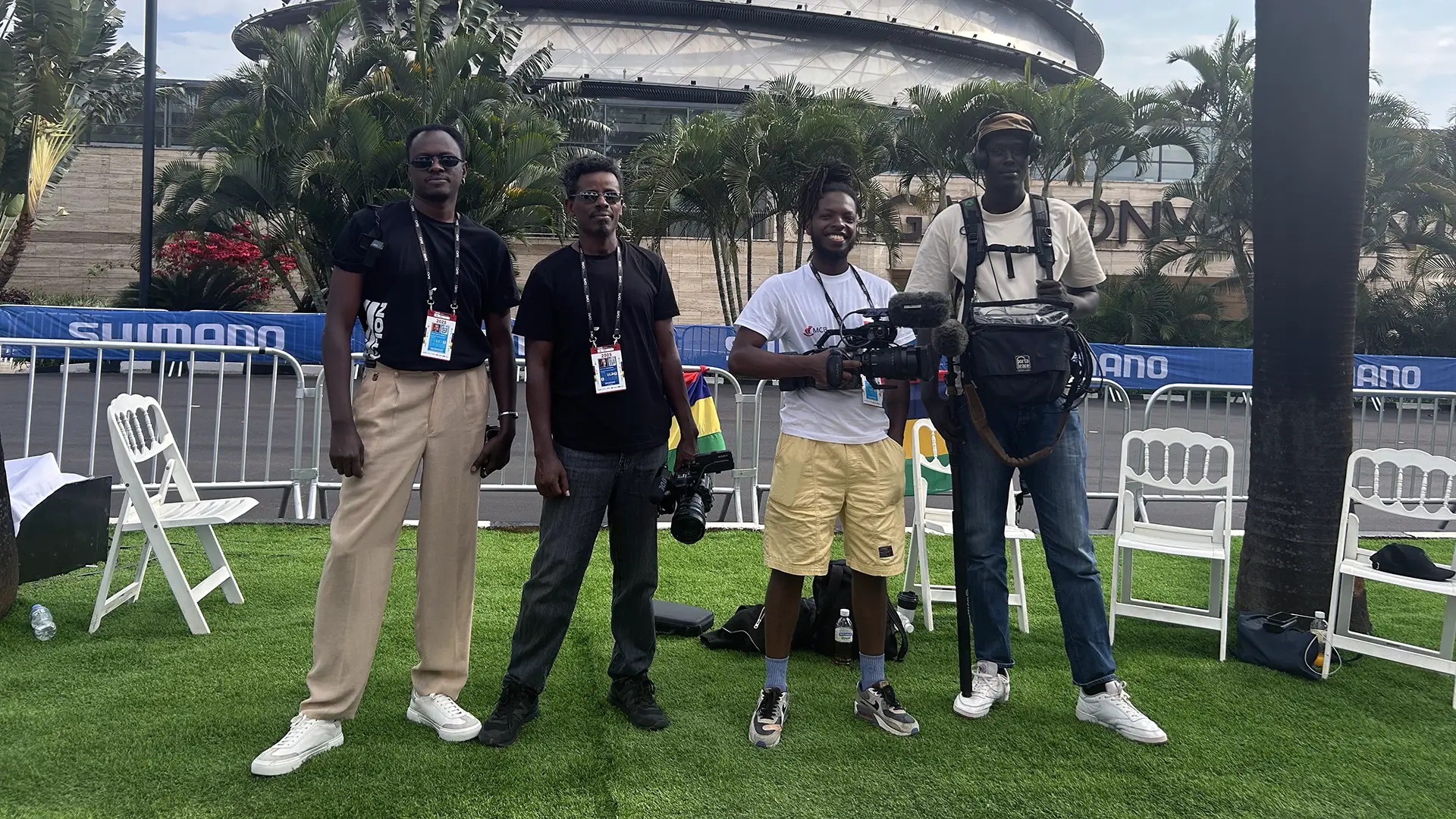
A filmmaker’s perspective on Kigali
For Mbabazi, filming the World Championships in Kigali carried a particular weight. “This was not just another sporting event,” he says. “The World Championships coming to Africa changed the energy completely.”
He describes a city deeply engaged with what was unfolding. “The crowd, the volunteers, the young cyclists watching from the roadside. There was pride, but also a strong sense of connection. This was something people felt part of.”
Rather than focusing solely on race-day action, Mbabazi chose to stay close to Le Court in the build-up to the event. “I wanted to understand what it means to arrive at this level as an African rider,” he explains. “The preparation, the isolation, the mental load before the race. These moments are essential to the story.”
Seeing the race from the inside
Filming those moments came with its own challenges. Mbabazi says the pace of the race left little room for control. “Things happen very fast. You cannot plan every shot,” he explains. “You have to anticipate, react quickly and accept that some moments will only happen once.” He adds that staying close to the rider also required restraint. “You are filming someone in a very intense moment. You have to be present without being intrusive.”
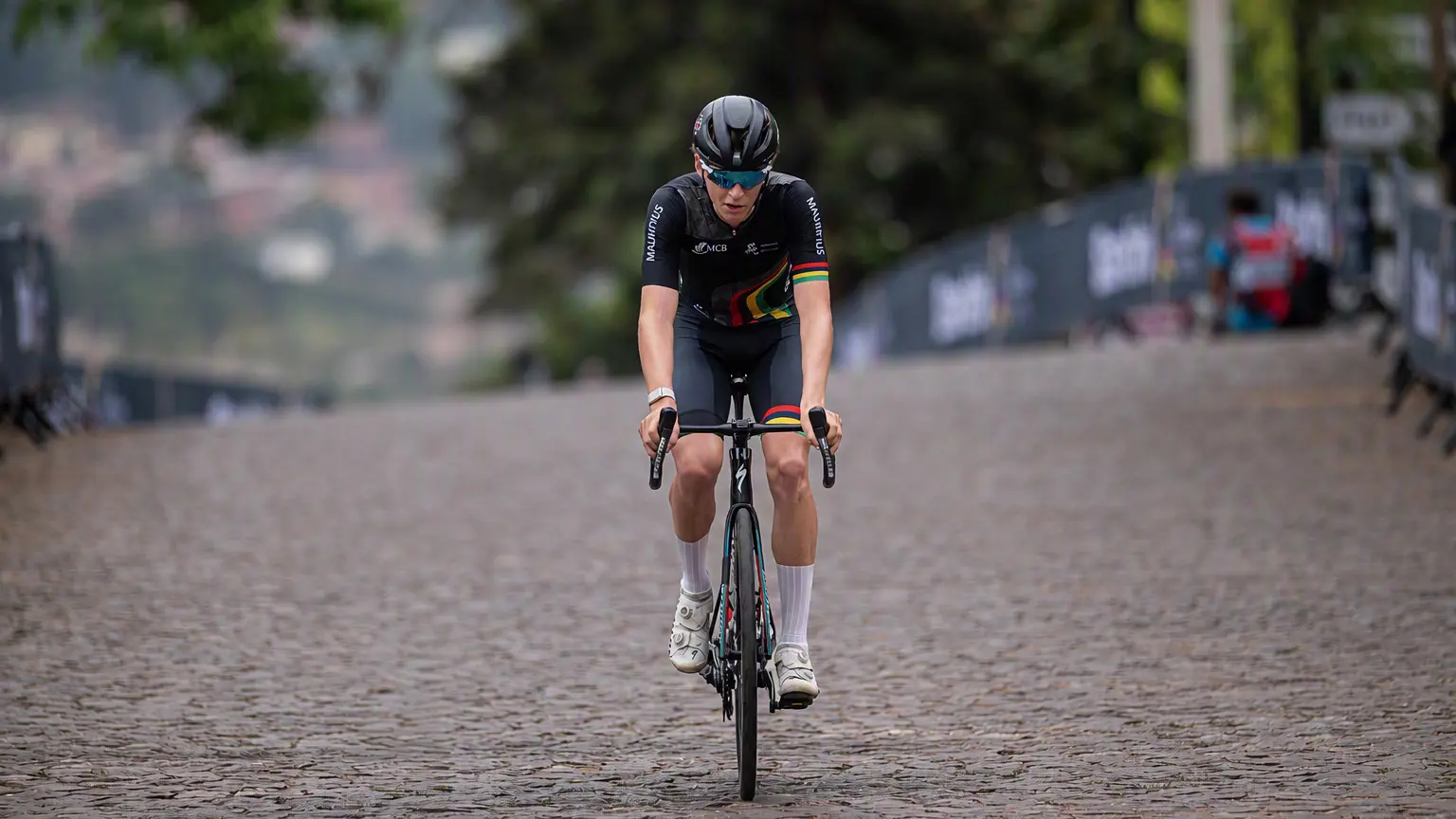
The race offered several situations that left a strong impression on Mbabazi. “At one point, Kim was in the second chase group with many of the favourites, but she had no teammates left,” he recalls. “She had to manage everything alone, especially on the hills and the cobblestones.”
For him, that moment captured the reality of elite cycling. “You could feel how much was resting on her shoulders,” he says. “Not just the race itself, but everything she represents.”
Away from the road, the same sense of responsibility was visible. “Walking with her in Kigali, meeting cyclists from Rwanda, Benin and other countries, you could see the respect she commands,” Mbabazi adds. “She understands that she represents something bigger than herself.”
A portrait of focus and responsibility
What stood out most to Mbabazi was Le Court’s mental discipline. “Her focus is constant,” he says. “Not just during the race, but in how she manages her time, how she interacts with her teammates, how she carries responsibility.”
The documentary also highlights her role within the Mauritian team. “She is the most experienced rider, yet she supports both the seniors and the younger cyclists. That balance was important to show.”
Beyond one performance
For Mbabazi, the film goes beyond a single result. “Kim Le Court’s story shows where African cycling stands today,” he says. “It shows progress, but also the effort it takes to be there.”
He hopes viewers gain a deeper understanding of elite cycling, particularly from an African perspective. “You see the physical effort, but also the mental battle. Cycling is demanding in ways people often do not see.”
As African cycling continues to gain visibility on the global stage, Mbabazi sees the documentary as a reflection of momentum already under way. “This was not an end point,” he says. “It was a moment that shows what is already changing.”
Explore more
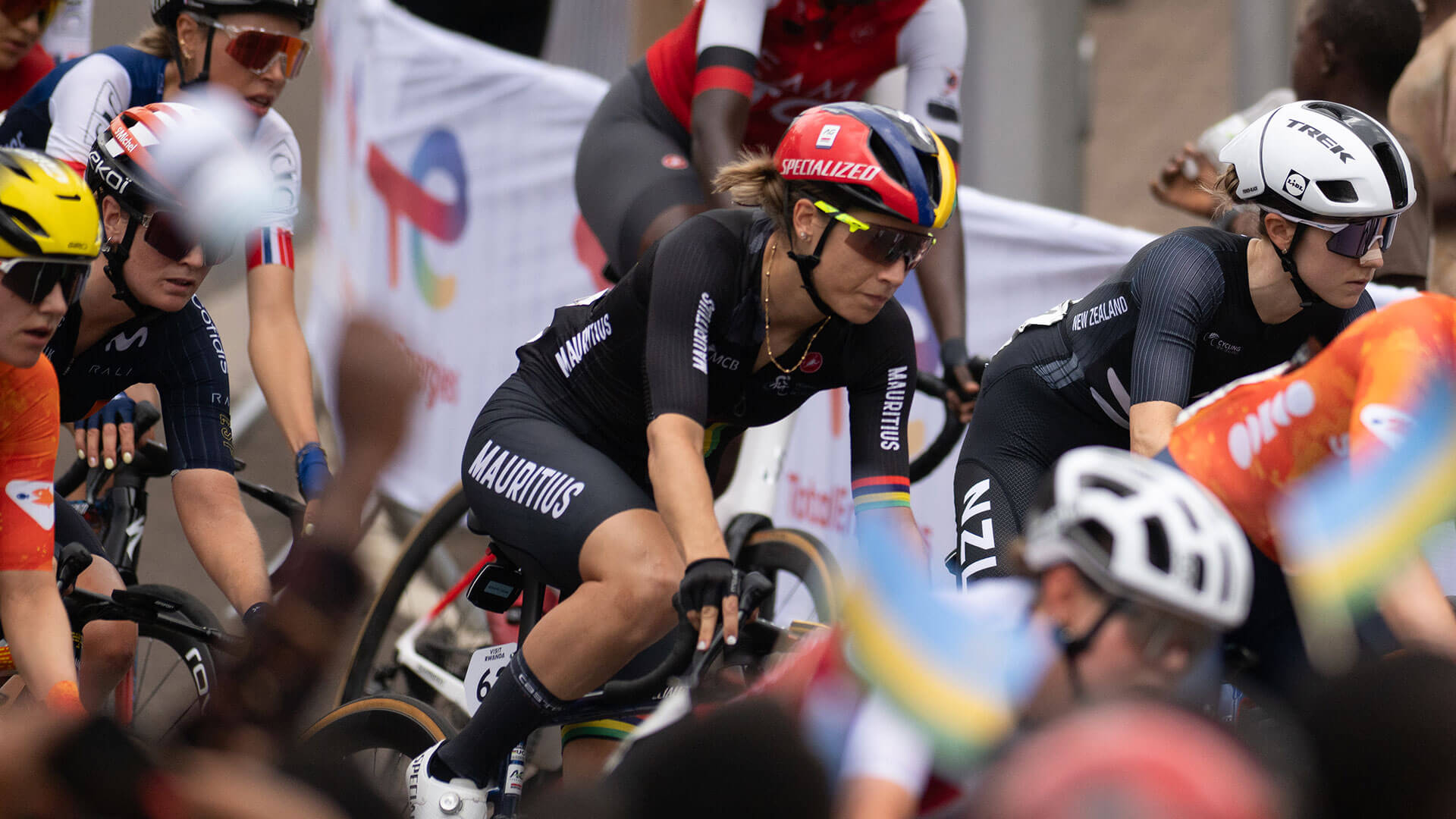
Kim Le Court, le frisson rwandais
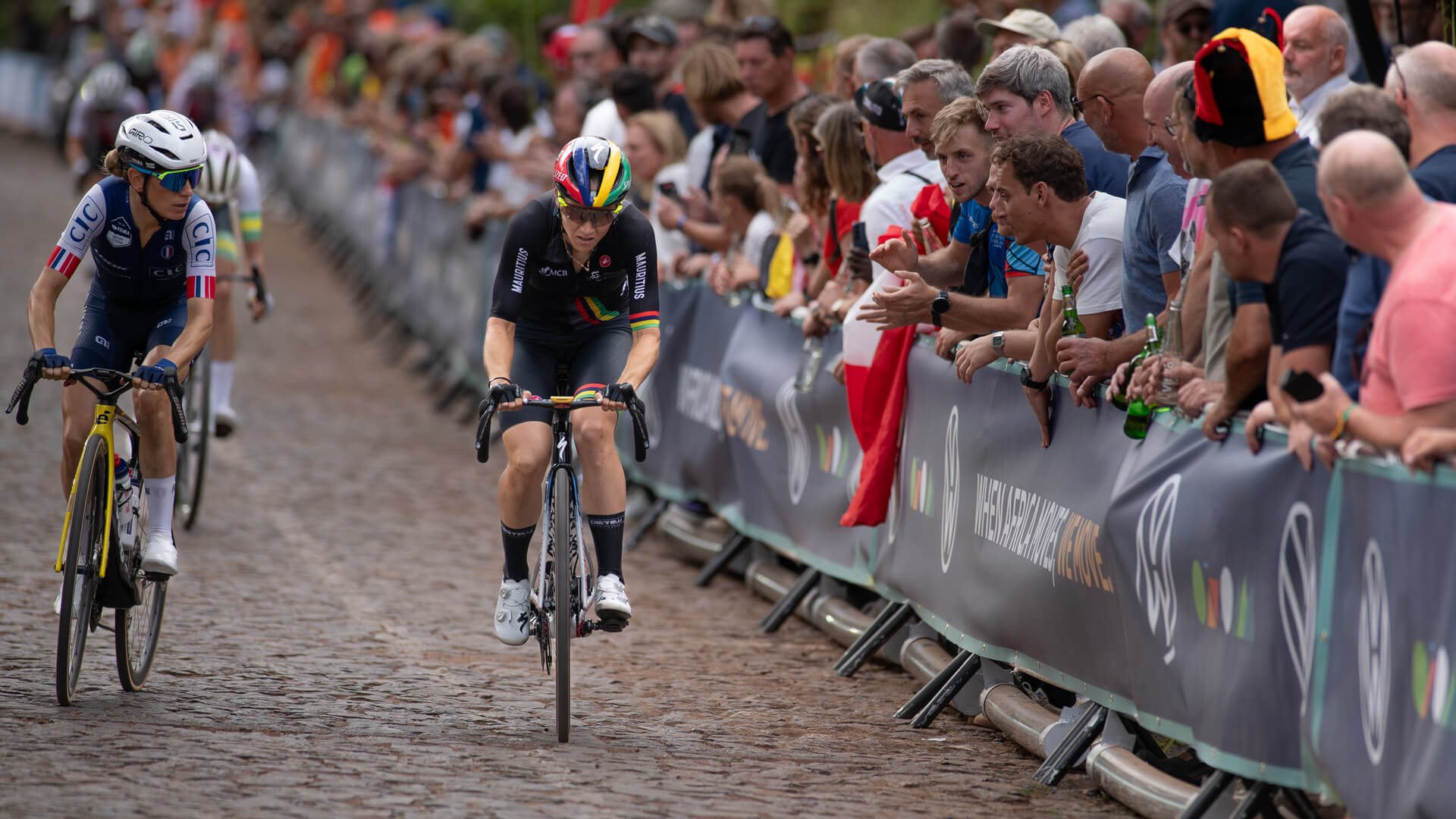
Recent Articles


TH!NK


Subscribe to our Email Alerts
Stay up-to-date with our latest releases delivered straight to your inbox.
Contact
Don't hesitate to contact us for additional info
Email alerts
Keep abreast of our financial updates.