

- Home
- Investors Centre
- Sustainability
- Talent
- News
- Insights
- TH!NK
- Corporate governance
- Who we are
- Board of Directors
- Community
- MCB Offices
Contact Info
The future of the past: The generation reshaping the Blue Penny Museum
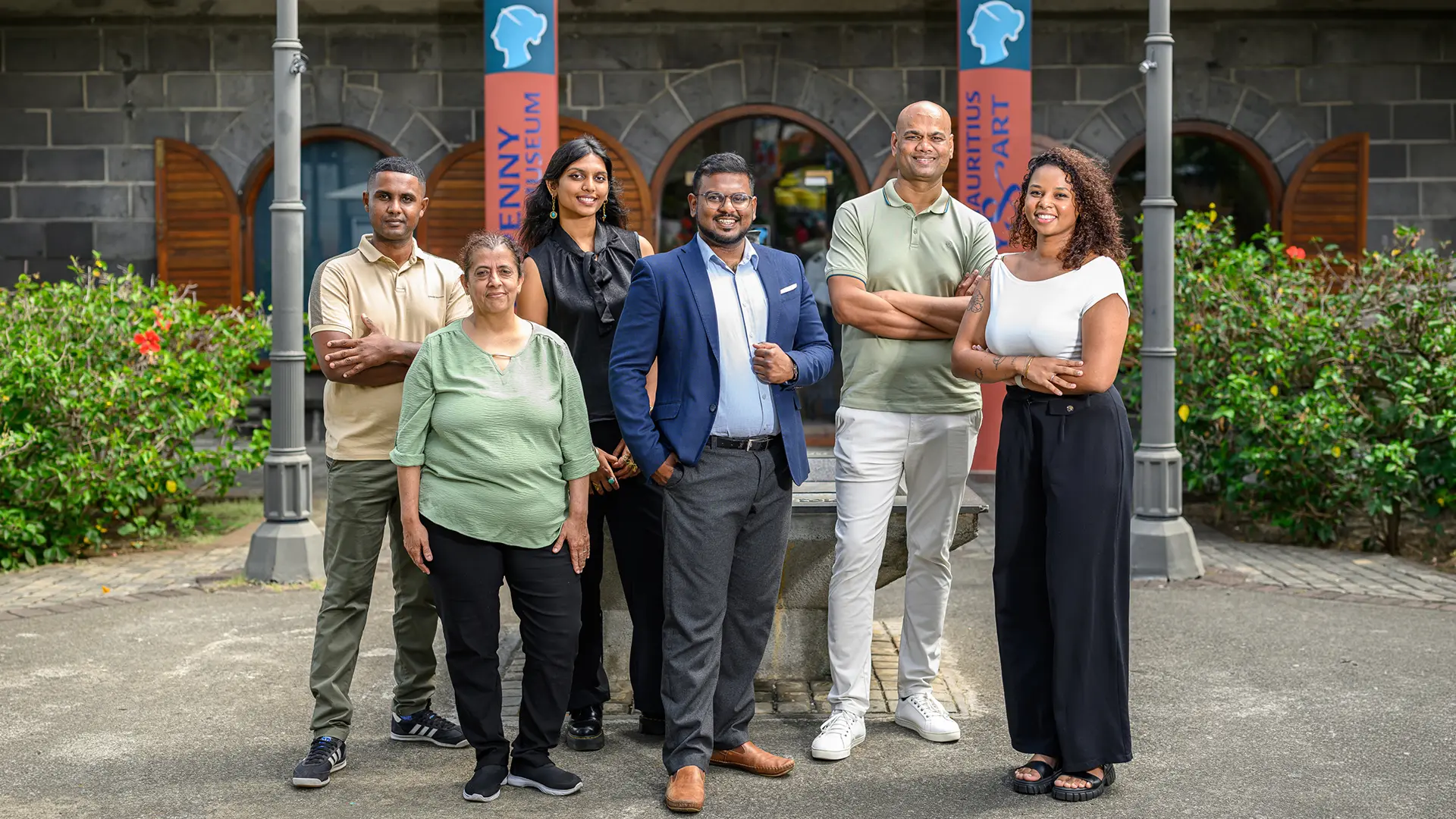
At Le Caudan Waterfront, the Blue Penny Museum has long served as a vital anchor for Mauritian heritage. It is a home for historic works, rare marine charts, and, famously, the only vault on earth where the Blue Pence and Red Penny virgin stamps sit side by side. The space has always carried an undeniable prestige, but preservation only works when a community feels a genuine sense of ownership within the walls. Today, a new energy is changing the way the institution connects with the public.
This shift comes down to three young professionals recently brought on board by MCB Group: Ismael Ramjaun, Flossie Coosnapa and Ilina Rughoobur. Part of the Group’s ongoing dedication to local heritage, they bring a genuine sense of vitality to these quiet galleries. Full of innovative ideas, the trio shares a clear readiness to make the island’s collective memory feel entirely relevant today.
Breaking the silence
This vitality can be felt the moment you cross the threshold. Traditional museum spaces often lean into a quiet and rigid formality that can feel intimidating. This new direction challenges that mold entirely, trading the old silence for a lively internal energy to make people feel at home.
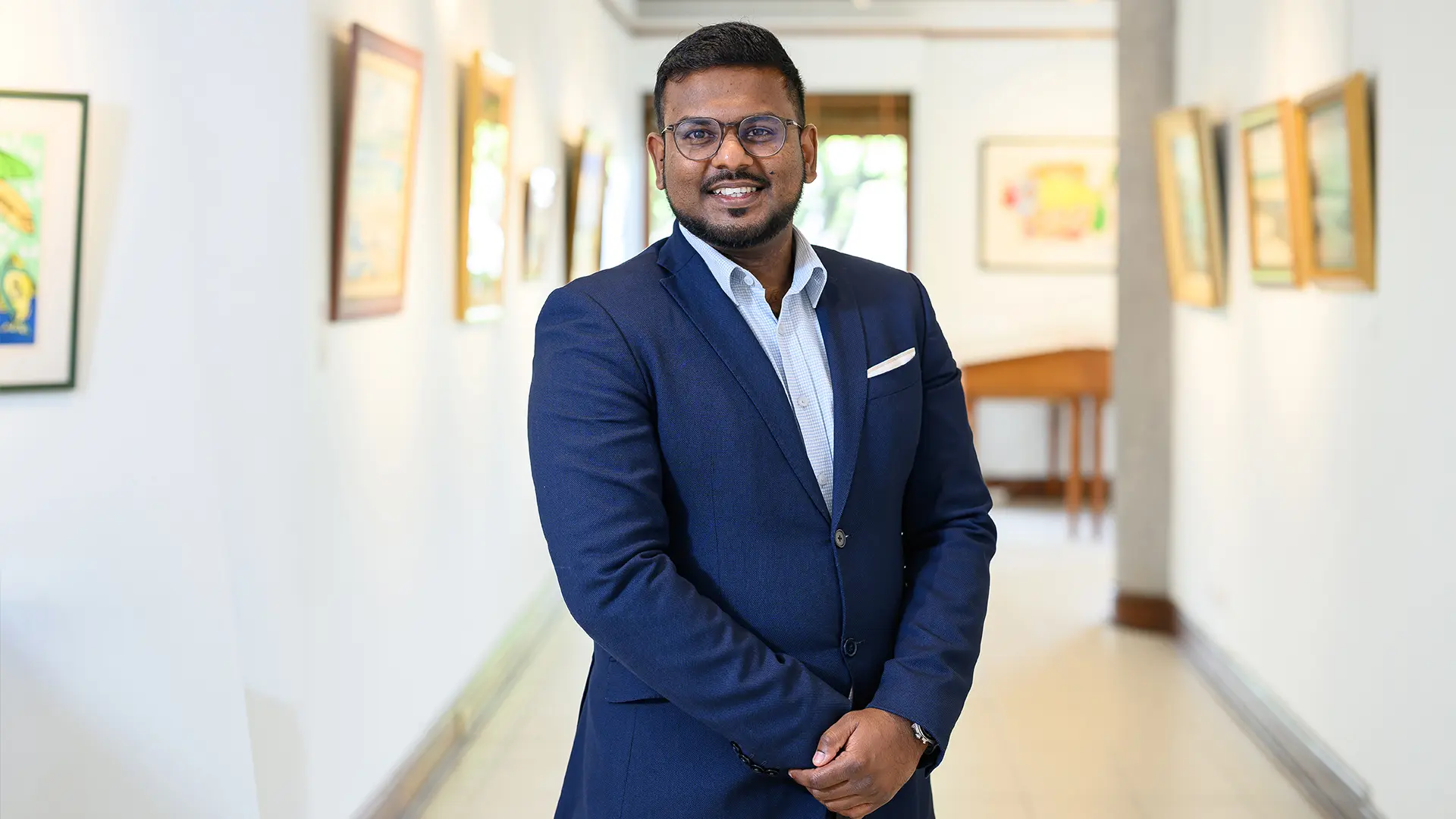
“We shifted the mindset,” explains Ismael. “Instead of treating people as visitors, they are our guests. We wanted a welcome that feels warm, lively, and focused on building an immediate rapport to put people at ease.”
This approach shapes daily operations. Ismael streamlined staff schedules so team members are consistently present on the floor to guide and converse with people. The team has also brought the museum's vintage audioguide system back to full functionality, complete with a Mauritian Creole version designed to make local guests feel instantly at home.
Democratising the narrative
Inside the galleries, the main challenge is making centuries-old history resonate with a generation that consumes the world through a fast-moving digital screen. For Flossie, with her background in history and prior museum experience, the answer lies in absolute accessibility, using language to dismantle institutional barriers.
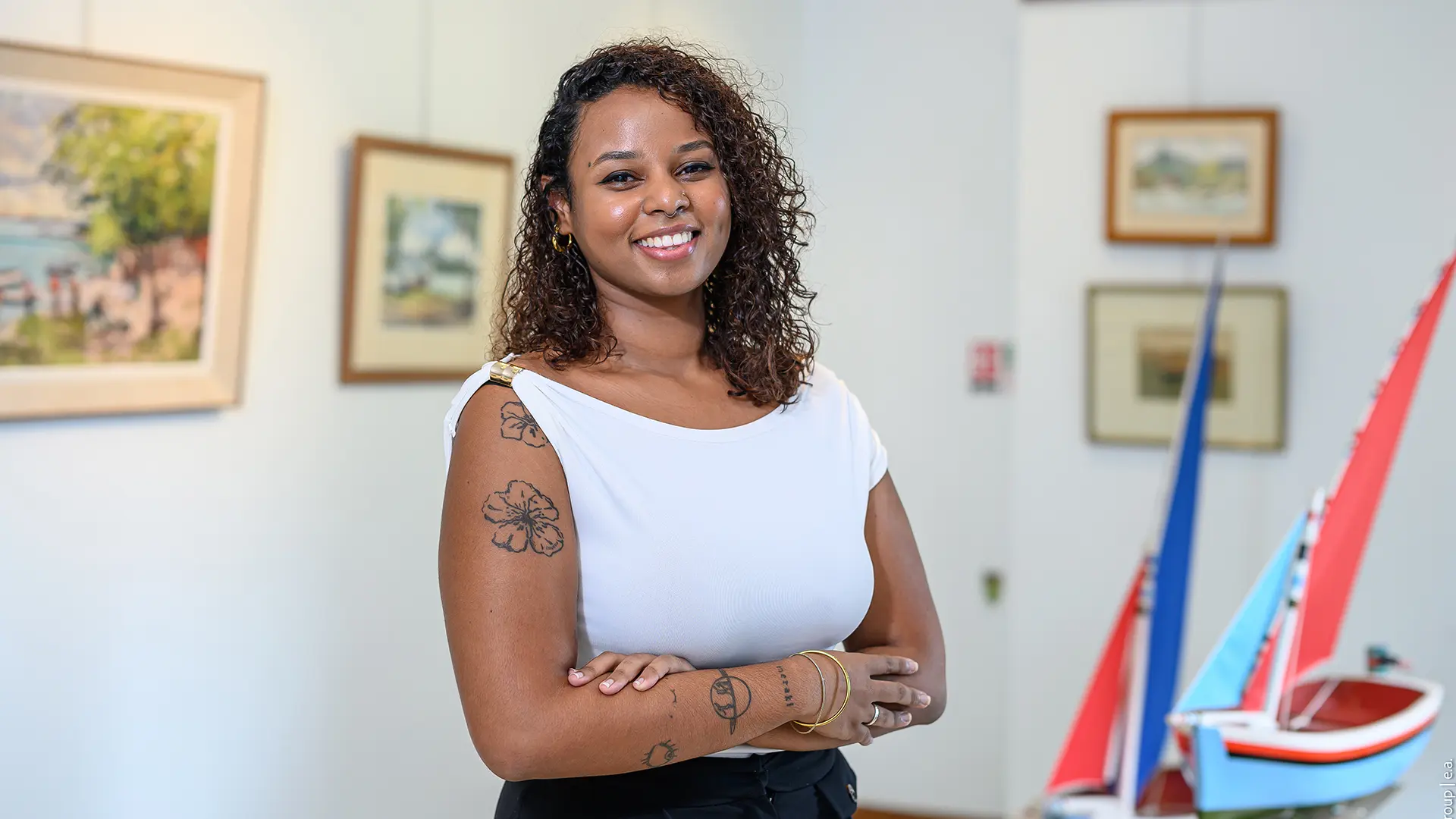
“Our golden rule is simple: keep the history accessible,” she explains. “By integrating Mauritian Creole into our educational material and school visits, we make sure local students feel a natural connection to the space. It’s about using our native tongue to transform a quiet gallery into an inclusive conversation.”
This focus on living heritage shapes how the museum builds long-term relationships with local communities. Rather than acting as a rigid top-down authority, the new team treats the museum as a participatory space built on collaboration and co-creation.
This philosophy came to life during the recent Artizan Lamer (Artisans of the Sea) exhibition, which focused on the island's relationship with the ocean. By spotlighting local craftsmanship and inviting traditional fishermen into the space to share their lived experiences firsthand, the event demonstrated that Mauritian history does not just live behind glass—it lives on in our landscapes, family memories, and everyday conversations.
To reinforce this interactive approach, the team also introduced real-world touchpoints like a postcard station, where guests can write a personal message and post it right on the spot, leaving them with a tangible memory of their visit.
Unlocking the archives
This desire for deep human connection directly shapes how the museum’s physical collection is managed. For Ilina, with a background in social and cultural anthropology, handling these physical artefacts is an incredible privilege, but her primary focus remains on rotation and acquisition.
“Only about five percent of our entire collection is on display right now, while the rest is preserved in our archives,” Ilina points out. “To keep the collection from becoming stagnant, we want to continue evolving it through new historical acquisitions and ongoing research. My goal is to bring these treasures out into the open so the public actually gets to see them, stripping away the elitist image of what a museum is supposed to be.”
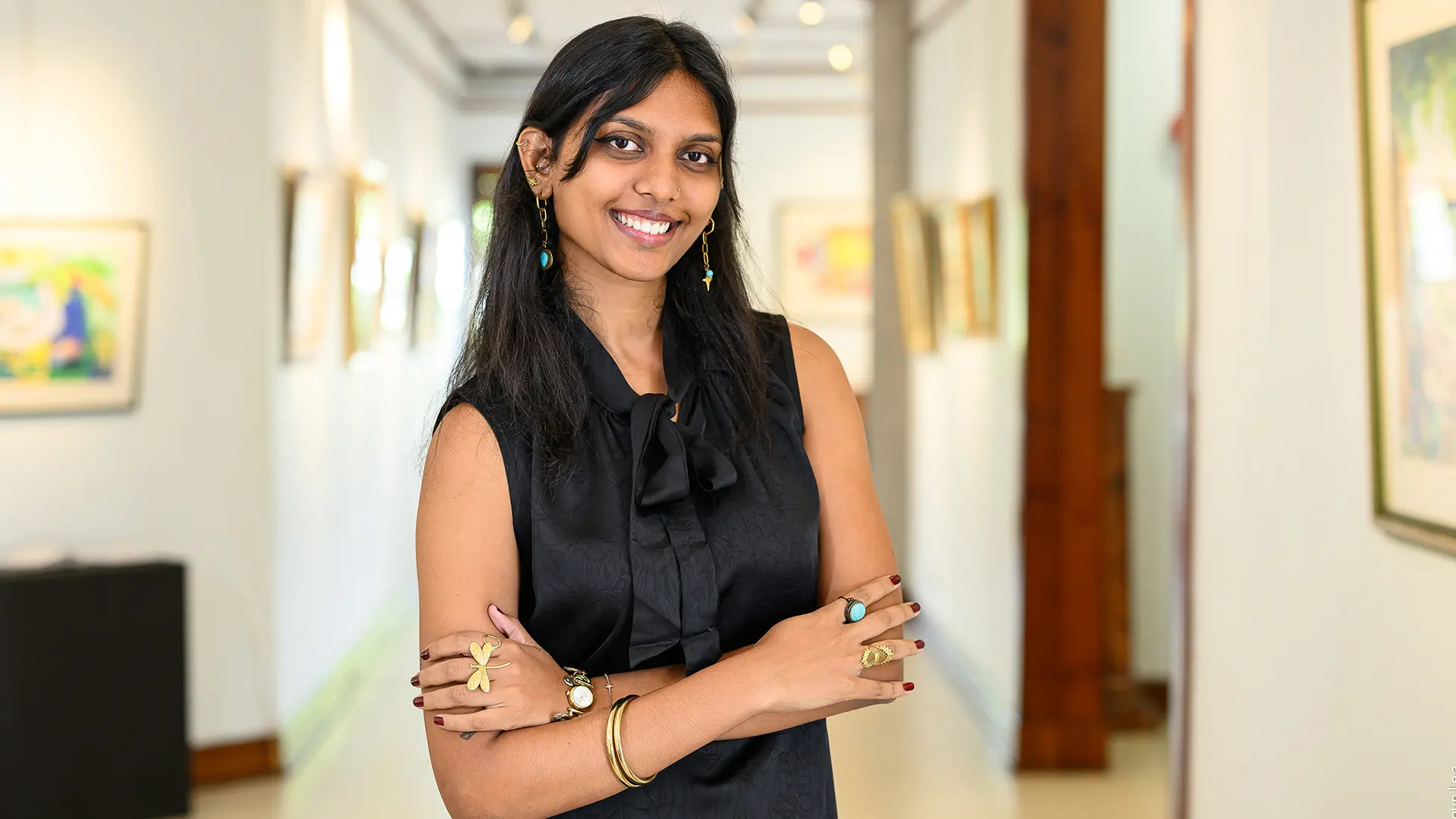
Under her care, curation becomes an active process. A historical map is reframed as a trace of human movement, a portrait becomes a real presence, and the iconic stamps serve as a gateway into the island’s changing role in global trade.
By constantly uncovering these hidden chapters, the team successfully bridges the gap between strict conservation and genuine human connection. Ilina’s ongoing work ensures that the unseen repository of Mauritian history is systematically brought back to the surface, turning archived objects into a dynamic experience for every guest who walks through the doors.
A shared momentum
This external momentum relies entirely on a collaborative internal culture, a shift sparked by Ismael’s leadership. Every morning, the team gathers around a table to map out new ideas.
“Bringing in change was a challenge at first,” Ismael admits, “but the museum world has moved on, and we couldn't stand still. Now, everyone takes an active part in the discussion because every single idea is worth exploring.”
To support this, floor staff now use digital tools to gather real-time guest feedback, allowing the team to adapt the experience instantly.
This collaborative energy has also transformed their relationship with local schools. Working in partnership with the Ministry of Education, the team has moved away from standard and predictable guided school tours. Instead, they design custom learning paths tailored directly to what students are currently tackling in class, turning history into a functional resource.
The story continues…
The positioning and vision of the Blue Penny Museum is closely aligned with MCB Group’s philosophy ‘Success Beyond Numbers’ - a corporate purpose that intentionally prioritises culture, identity, and community growth alongside financial performance. It reflects the Group’s broader commitment to preserving and sharing the country’s rich heritage, while strengthening its connection with local communities.
The legendary stamps and the surrounding historical collections will always remain the anchor of the experience. Yet the true value of the space has fundamentally shifted. Today, the museum stands as an active cultural hub, a place built to connect Mauritius' rich past directly to its future.
Recent Articles
TH!NK


Subscribe to our Email Alerts
Stay up-to-date with our latest releases delivered straight to your inbox.
Contact
Don't hesitate to contact us for additional info
Email alerts
Keep abreast of our financial updates.