

Sadiya Hossen

Group Technology Services Management Lead
- Home
- About us
- Investors Centre
- Sustainability
- Talent
- News
- Insights
- TH!NK
- Board of Directors
- Community
- MCB Offices
Contact Info
26 NOV 2026
Africa's next technological leap must be its own

Africa has the talent and ambition to shape its technological future. But real progress will depend on our ability to create technology that reflects African realities, empowers local talent and generates lasting value for the continent.
Africa's technological future should not be something we inherit. It should be something we build, shaped by our people, grounded in our realities and capable of creating opportunities for generations to come. This conviction grew stronger after the 10th edition of Women in Tech Africa (WiTA) Mauritius, where what struck me most was not the technology being discussed, but the people behind the ideas. Their ambition, determination and belief in Africa's potential were inspiring. Yet I left with a question: how much extraordinary talent are we allowing to go unrealised?
Across Africa, promising ideas struggle to become reality, not because ambition is lacking, but because access to expertise, networks, technology and capital remains uneven. As artificial intelligence reshapes our world, we face a fundamental choice: remain consumers of innovation developed elsewhere or become creators of our own technological future.
That future must be built with Africa, not simply imported into Africa. AI should understand our languages, including Kreol, reflect our cultures and respond to our economic realities. From financial inclusion and healthcare to education, agriculture and climate resilience, technology offers enormous possibilities. But its success should be measured not merely by how widely it is adopted, but by the problems it solves, the opportunities it creates and the value it retains within African economies.
Realising this potential requires more than technological infrastructure. A talented graduate may have an idea capable of transforming a community, but without computing resources, mentorship or financing, that idea may never progress beyond a prototype. We need environments where innovators can experiment, learn from setbacks and turn promising ideas into sustainable businesses.
Creating these conditions demands closer collaboration between universities, businesses, investors and public institutions. More importantly, support must continue beyond the initial excitement of launching a start-up, helping entrepreneurs navigate the difficult journey towards commercial viability. Financial institutions, including MCB, have a role to play by connecting talent with expertise, networks and opportunities. The challenge is ensuring that this support reaches those who need it most.
Yet access to opportunity is only part of the equation. The WiTA Mauritius conference also reinforced another conviction: women should not simply have a place in technology. They should have a voice in deciding where it goes next. Representation matters, but meaningful progress requires influence over strategy, investment, governance and the decisions that shape innovation. An inclusive technological future depends not only on who participates, but also on who has the power to shape it.
These questions of opportunity and influence point towards a larger ambition. Africa must move beyond measuring technological progress through adoption alone. How many sustainable businesses have emerged? How many skilled jobs have been created? How many African challenges have found locally developed solutions? These are the outcomes that will determine whether innovation translates into lasting progress.
Mauritius can contribute to this transformation by connecting African innovation with international expertise, investment and responsible governance. But no country or institution can achieve this alone. It will take sustained collaboration and a shared commitment to developing talent and retaining value within our economies.
I left WiTA Mauritius convinced that Africa does not lack the ideas, ambition or determination to shape its future. What remains is the responsibility to turn that potential into opportunity. The next generation should not have to look elsewhere to realise its ambitions. It should find, here in Africa, the means to build something extraordinary.

Recent Articles
23 Nov 2026
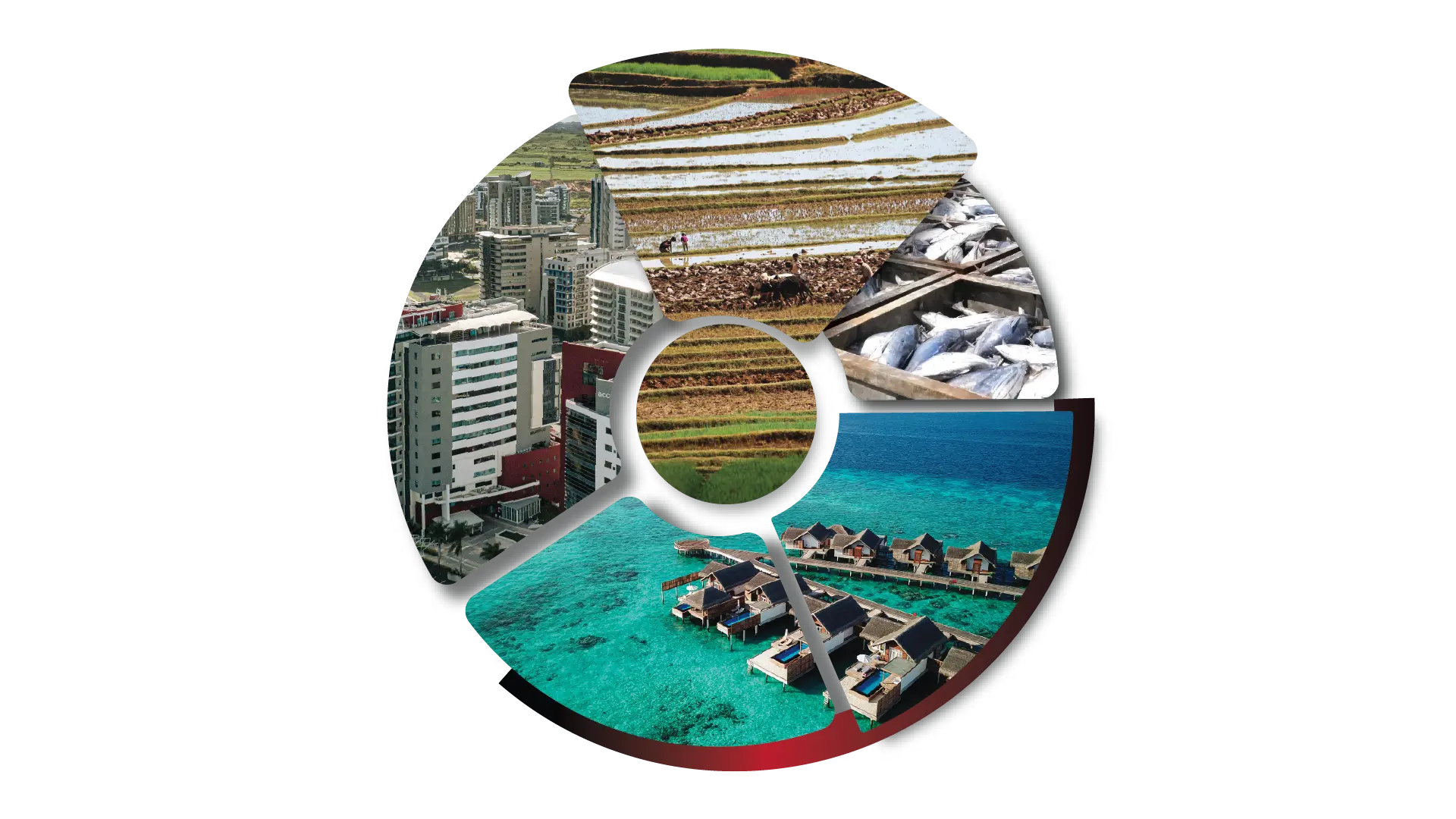
MCB Research: Mauritius growth to reach 3.4% in 2027, driven by investment

12 Nov 2026
Profits of Rs 5.4 billion for first quarter of FY 2026/27

04 Nov 2026
Sustainability Report 2026 : MCB’s sustainable finance delivers real impact
22 Oct 2026
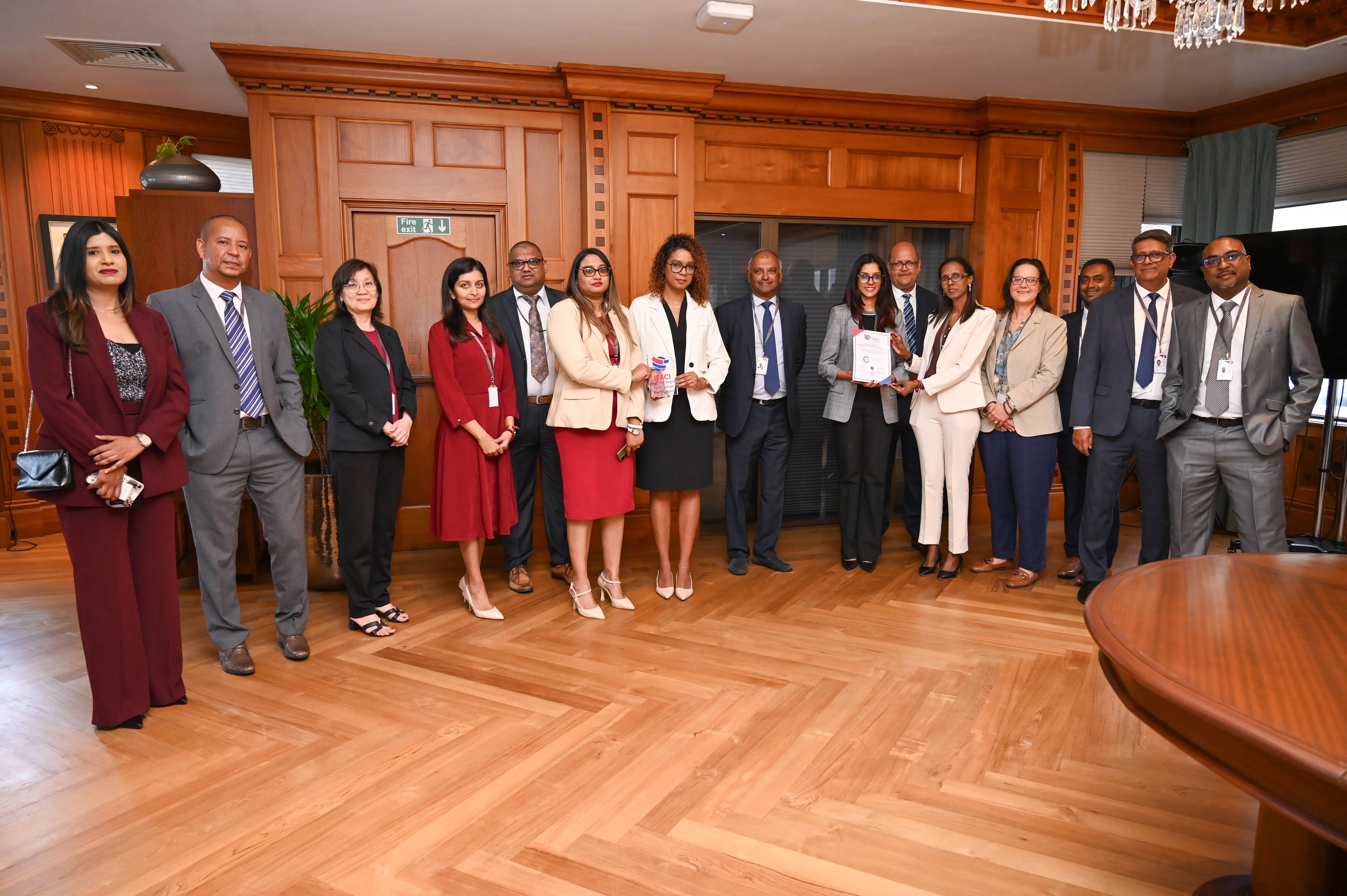
Governance: MCB becomes the first IFACI-certified institution in Mauritius
28 Sep 2026
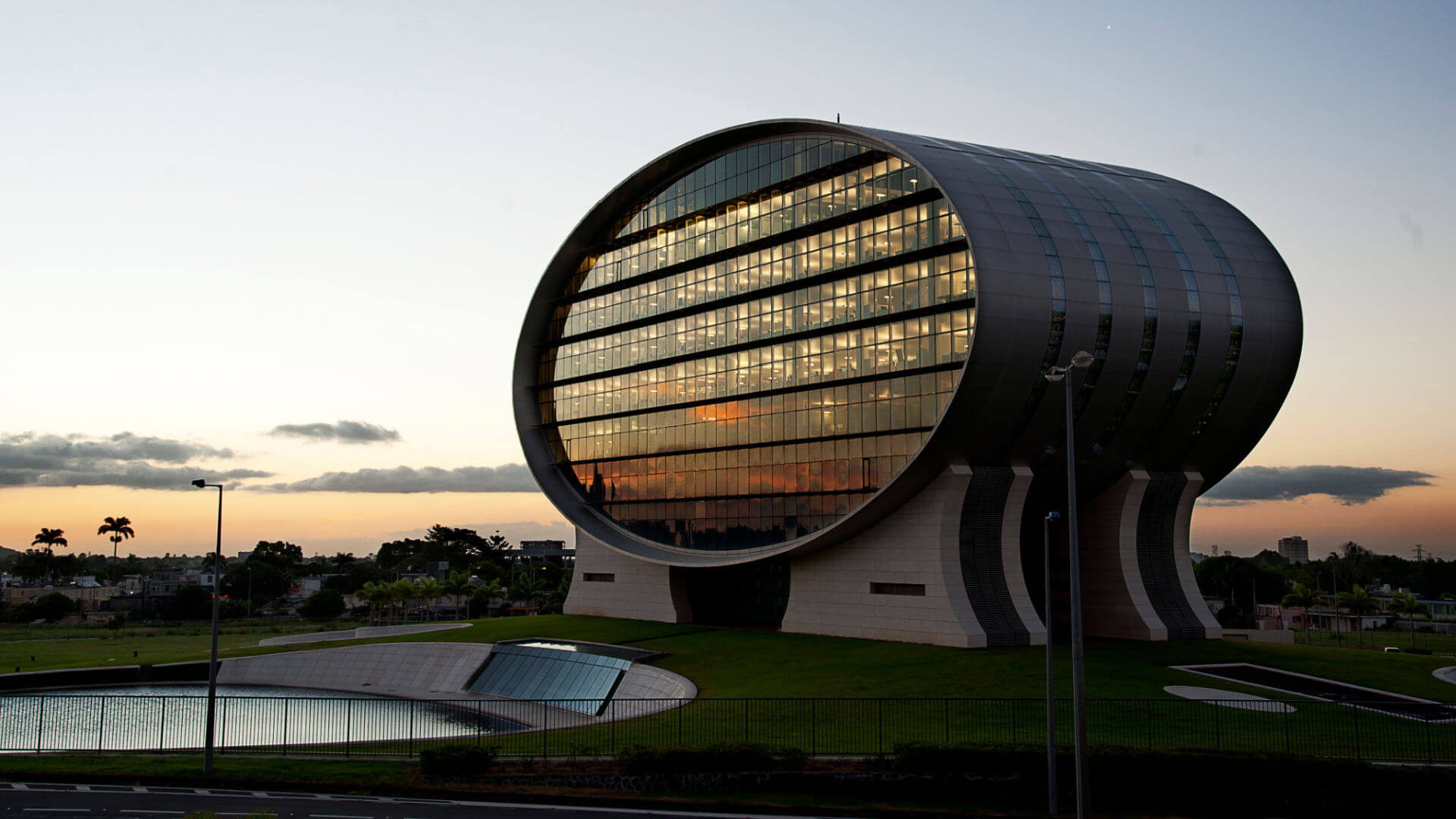
Profits of Rs 20.1 billion for FY 2025/2026
TH!NK
26 Nov 2026
Africa's next technological leap must be its own

23 Nov 2026
The people behind our people

29 Oct 2026
What if the real promise of technology is to take SME banking beyond banking?

26 Sep 2026
Kim Le Court, the race that slipped away

25 Sep 2026
Tristan Hardy finishes 76th at Junior Road Race World Championships
Subscribe to our Email Alerts
Stay up-to-date with our latest releases delivered straight to your inbox.
Contact
Don't hesitate to contact us for additional info
Email alerts
Keep abreast of our financial updates.